
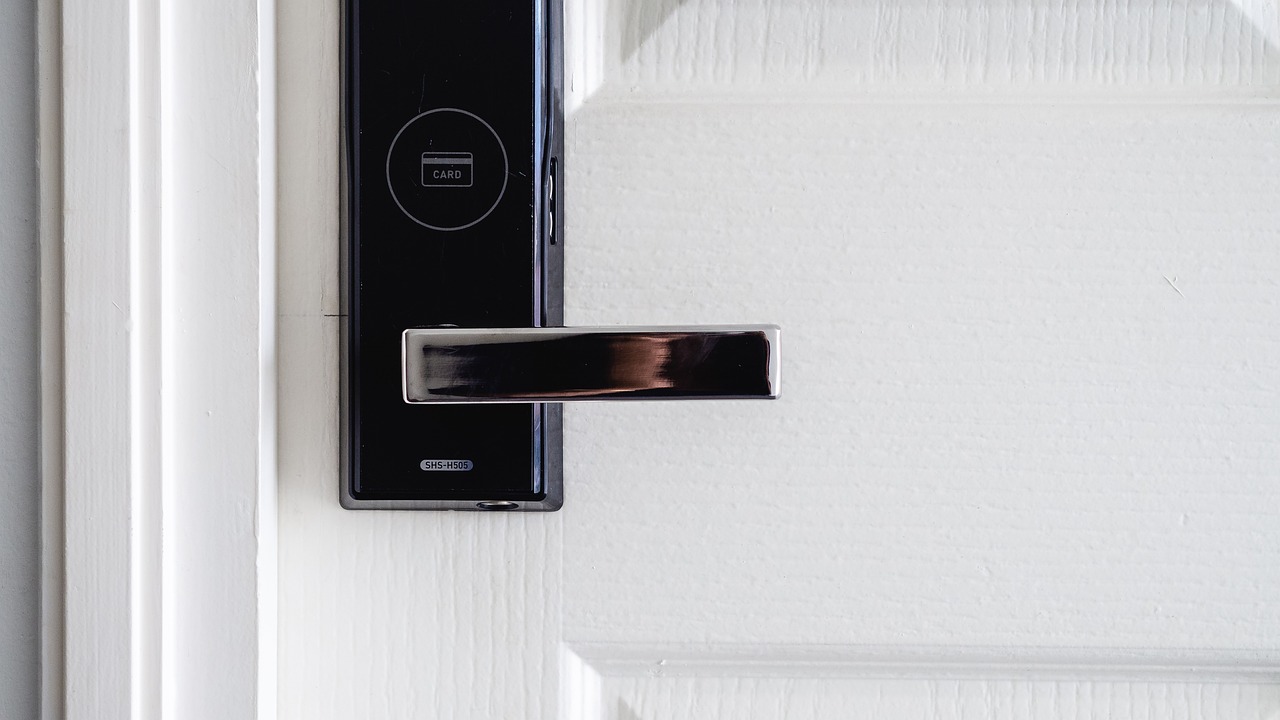
The implementation of smart lock technology in residential properties presents new challenges for California Civil Code Section 1954 compliance. This technological advancement affects both property access protocols and tenant privacy rights. Property managers must navigate these systems while adhering to established entry requirements. The integration of smart locks into residential properties has increased significantly, necessitating clear guidelines for their use within existing legal frameworks. Understanding the intersection of digital access systems and tenant rights has become essential for property managers and tenants alike.
The Technology Shift
Understanding Smart Lock Systems
Smart lock implementations typically include remote access capabilities, digital entry logs, and temporary access code generation. These systems facilitate maintenance visits, property showings, and emergency access through centralized management platforms. The technology provides verifiable entry records, access scheduling, and real-time monitoring capabilities. Property managers can generate time-limited access codes for vendors, track entry patterns, and maintain digital documentation of all property access events. This level of control and documentation offers advantages for compliance tracking but requires careful management to prevent privacy violations.
Traditional Notice Requirements Meet Digital Access
California Civil Code Section 1954 maintains specific notice requirements regardless of access method. Property managers must provide 24-hour notice before entry, except in emergencies. Smart lock systems must be configured to support these legal requirements through proper documentation and access controls. Digital access capabilities do not supersede tenant privacy rights or notice obligations. The technology must serve as a tool for compliance rather than a means of circumvention. Property managers must maintain clear records of both notice delivery and subsequent digital access events.
Legal Compliance Framework
Notice Requirements and Digital Documentation
The integration of smart lock systems with CC 1954 compliance requires systematic documentation procedures. Digital platforms must maintain verifiable records of all property access events, from initial notice to actual entry. Property managers should implement comprehensive tracking systems that document notice delivery, tenant acknowledgment, and entry timestamps. These records serve multiple purposes: demonstrating compliance, protecting tenant rights, and providing clarity in case of disputes.
The sophistication of modern access systems enables automated documentation, but property managers must ensure these systems align with legal requirements. Digital records should clearly demonstrate adherence to the 24-hour notice requirement while maintaining accessibility for both routine audits and potential dispute resolution.
Privacy Considerations
Smart lock implementation demands robust privacy protocols that extend beyond basic security measures. Property managers must establish clear guidelines for handling access logs and personal information. These protocols should address data retention, system security, and information access controls. The preservation of tenant privacy rights remains paramount, requiring careful consideration of how digital access data is stored, protected, and eventually disposed of.
Implementation Best Practices
System Configuration
Effective smart lock implementation requires careful attention to technical configuration and user protocols. Systems must support both routine access management and emergency entry procedures while maintaining security integrity. Property managers should ensure their platforms facilitate compliance through automated notifications, restricted access periods, and comprehensive logging capabilities. The configuration should balance operational efficiency with robust security measures, ensuring that convenience never compromises tenant privacy or safety.
Policy Development
Smart lock implementation necessitates comprehensive written policies that address both technological and legal requirements. These policies must clearly outline standard entry procedures while incorporating emergency protocols and maintenance scheduling. Property managers should develop detailed guidelines that protect tenant rights while maximizing the benefits of digital access systems. Clear communication of these policies helps prevent misunderstandings and ensures consistent application across all property access events.
Risk Management Considerations
Compliance Monitoring
Property managers must maintain vigilant oversight of smart lock usage patterns and compliance metrics. Regular audits of access logs and notice documentation help identify potential issues before they escalate into legal concerns. System notifications should alert management to unusual access patterns or potential compliance violations. This proactive approach to monitoring helps maintain the delicate balance between operational efficiency and legal compliance.
Legal Consultation Requirements
The complexity of managing smart lock systems within the framework of CC 1954 often necessitates professional legal guidance. Property managers and tenants should establish relationships with qualified legal counsel familiar with both California landlord-tenant law and digital property management systems. Given the evolving nature of technology and its intersection with established law, regular legal review of policies and procedures is essential. Attorneys can provide crucial guidance on compliance requirements, policy development, and dispute resolution protocols.
Smart lock technology represents a significant advancement in property management, but its implementation must carefully consider legal obligations under CC 1954. Success requires a balanced approach that embraces technological efficiency while maintaining strict compliance with notice requirements and privacy protections. Property managers must remain vigilant in maintaining documentation, protecting privacy, and ensuring consistent policy application.
When Dealing With Any Issues Seek Legal Help
As with any general guidance regarding smart lock implementation under CC 1954, specific situations may require professional legal analysis. Tenants encountering access disputes, privacy concerns, or compliance questions should promptly consult with qualified legal assistance. An experienced attorney can provide targeted advice based on specific circumstances, helping prevent costly violations and ensuring proper protection of both property manager and tenant rights.


