
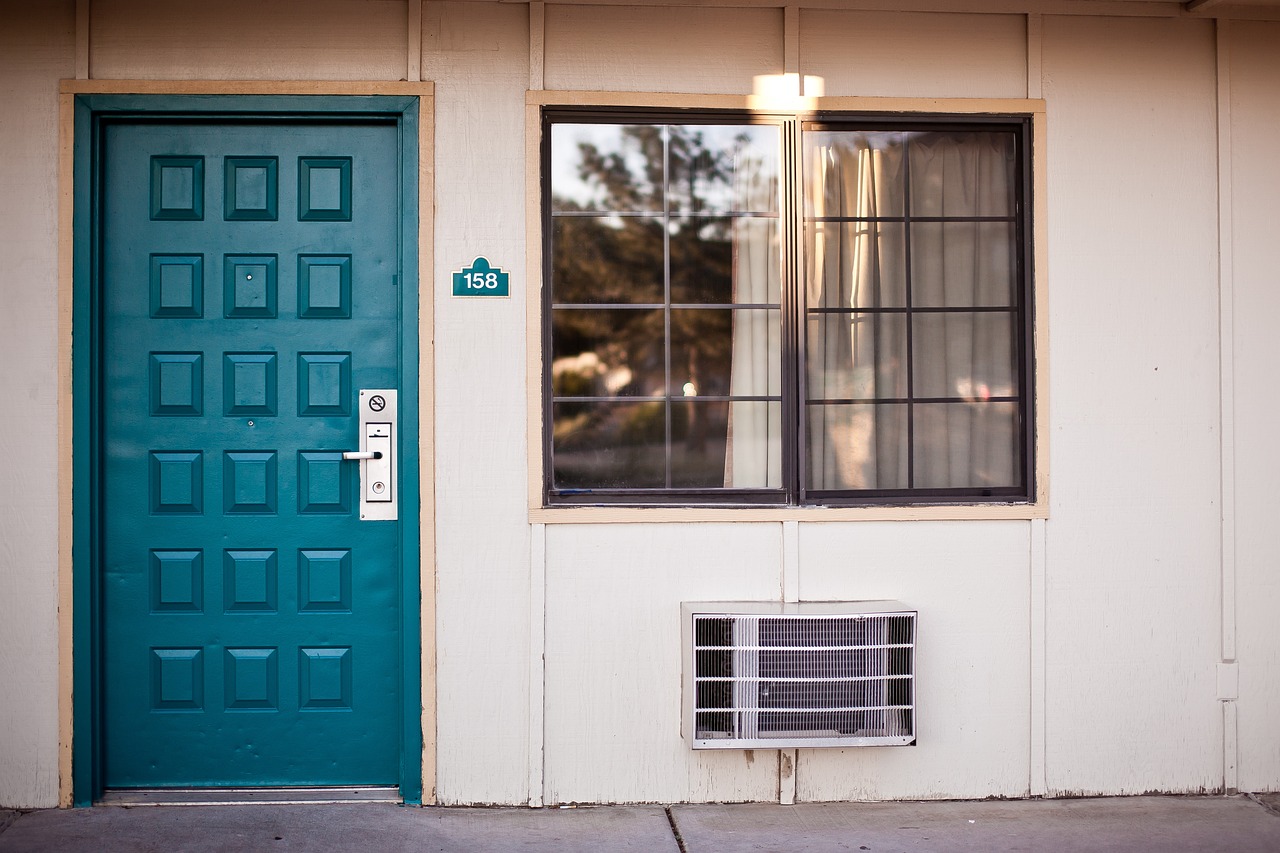
Air conditioning is not a luxury in California—it’s often a necessity. With temperatures regularly soaring above 90°F in many parts of the state, functional AC can be crucial for comfort and health.
Many California renters face uncertainty when their air conditioning systems malfunction. Common concerns include:
- Who is responsible for AC repairs?
- How quickly should repairs be made?
- What options do tenants have if landlords don’t address AC issues?
The implied warranty of habitability
California law requires landlords to maintain rentals in a habitable condition. This requirement, known as the implied warranty of habitability, exists in every residential lease agreement, whether written or verbal.
The legal basis for this warranty stems from California Civil Code Section 1941.1 and case law, particularly the 1974 case Green v. Superior Court.
What it covers in a rental property
The warranty of habitability in California covers essential living conditions, including waterproofing, plumbing, water supply, heating, electrical systems, sanitation, and structural integrity. While air conditioning is not explicitly listed in these requirements, it may be considered essential in certain circumstances. These include when AC is specified in the lease agreement, when extreme heat renders the unit uninhabitable without it, or when a tenant has a medical condition requiring temperature control.
When AC is considered essential
The essentiality of AC can vary significantly across California’s diverse climate regions. Inland areas like the Central Valley and Inland Empire, as well as desert regions such as Palm Springs and Mojave, are more likely to consider AC essential due to frequent high temperatures. Coastal areas with milder climates, like San Francisco and Santa Monica, are less likely to deem AC a necessity for habitability.
Regional variations within California
Local ordinances may provide additional protections or requirements regarding AC in rental properties, reflecting regional climate variations. In cases where AC is considered essential, landlords may be obligated to repair or maintain these systems as part of their responsibility to provide a habitable living space.
When is a Landlord Required to Fix AC in California?
Landlords in California must maintain existing AC units in good working order if the AC was present and operational when the tenant moved in or if it’s mentioned in the lease agreement. Regular maintenance typically includes annual inspections, filter changes, and cleaning of coils and condensers. When AC units break down due to normal wear and tear, landlords are obligated to respond promptly to repair requests, complete repairs within a reasonable timeframe, and ensure the AC is restored to proper functioning.
Repair obligations
For rentals without AC mentioned in the agreement, the situation becomes less clear-cut. Landlords aren’t automatically required to install or repair AC in these cases. However, exceptions may apply if the unit becomes uninhabitable due to extreme heat. In such situations, tenants can negotiate with landlords, requesting AC installation (possibly offering higher rent), proposing rent reductions during extreme heat, or seeking permission to install a portable AC unit at their own expense.
Rentals without AC in the agreement
In regions with consistently high temperatures, local ordinances may require functional AC. Courts may consider the lack of AC a habitability issue in these areas, potentially obligating landlords to provide cooling solutions. This is particularly relevant in California’s inland and desert regions, where temperatures can reach extreme levels.
Negotiating with landlords
Health conditions can also make AC essential. Landlords may need to provide or repair AC if a tenant has a documented medical condition exacerbated by heat, especially if the condition qualifies as a disability under fair housing laws. In such cases, AC might be considered a reasonable accommodation. Tenants should provide medical documentation to support their request.
Health conditions requiring temperature control
Regardless of the specific situation, it’s crucial to document all negotiations and agreements in writing. This practice protects both tenants and landlords, providing clear evidence of any arrangements made regarding AC installation, maintenance, or repair.
Reasonable timeframes
California law doesn’t specify exact timelines for AC repairs, but landlords must address repair requests within a “reasonable” time. Typically, 30 days is considered reasonable for non-urgent repairs. Factors affecting the timeframe include the severity of the problem, availability of parts and technicians, and the impact on the tenant’s living conditions.
Emergency repair situations
In emergency situations, such as extreme heat conditions, landlords must act more quickly. Repairs should begin within 24-48 hours in these cases. If the landlord is unreachable or unresponsive, tenants may have the right to arrange for repairs themselves.
Professional vs. DIY repairs
Landlords must ensure repairs are done properly, whether professional or DIY. Professional repairs are often necessary for complex AC systems, while DIY repairs may be acceptable for minor issues if done competently. Regardless of who performs the repairs, landlords remain responsible for their quality.
Ensuring proper functionality
After repairs, the AC must function at the same level as before the problem occurred, adequately cool the rental unit, and operate safely and efficiently. Tenants have the right to request further repairs if these standards aren’t met. This ensures that the repaired AC system meets the necessary standards for habitability and functionality.
Written notices
When facing AC issues, tenants should immediately notify their landlord in writing. Use certified mail or email with read receipts, including the date of notice, a description of the problem, a request for repairs, and a reasonable deadline for action. This written communication establishes a clear record of the issue and your attempt to resolve it.
Documenting conversations
Keep a detailed log of all communications with your landlord, including dates, times, and content of phone calls or in-person discussions. Follow up verbal conversations with written summaries via email to maintain a paper trail of all interactions related to the AC problem.
Photographs and videos
Document the issue thoroughly with clear photos or videos of visible damage to the AC unit, thermostat readings, and any resulting issues like mold growth due to humidity. Include timestamps on all visual evidence to establish a timeline of the problem.
Temperature logs
Maintain a temperature log by recording indoor temperatures at regular intervals and noting outdoor temperatures for comparison. Also document any health issues experienced due to heat. This information can be crucial if you need to escalate the issue.
Filing a complaint
Consider filing a complaint if your landlord ignores repair requests, if repairs are inadequate or excessively delayed, or if living conditions become unbearable due to AC issues. This step should be taken after reasonable attempts to resolve the issue directly with your landlord have failed.
Process and relevant authorities
The complaint process can involve multiple levels. Start at the local level by contacting your city or county housing department and requesting an inspection from local code enforcement. At the state level, you can file a complaint with the California Department of Consumer Affairs. If discrimination is suspected, consider contacting the California Department of Fair Employment and Housing. For legal action, consider consulting a tenant rights attorney immediately.
Alternative Solutions
Rent withholding
Rent withholding is a legal option in California when AC issues significantly affect habitability. To use this remedy, you must have given the landlord reasonable time to make repairs, the problem must not be your fault, and you must be current on rent payments. However, this option carries risks, including potential eviction proceedings and negative impacts on your rental history.
Risks and potential consequences
To mitigate risks when withholding rent, document all communication and repair requests, place withheld rent in a separate, dedicated account, and be prepared to pay the withheld rent if ordered by a court. These precautions can help protect you in case of legal disputes with your landlord.
Repair and deduct option
When it’s applicable
The repair and deduct option is applicable when the AC issue affects habitability, you’ve notified the landlord and allowed reasonable time for repairs, the cost is less than one month’s rent, and you haven’t used this remedy more than twice in a 12-month period. This alternative can be effective when landlords are unresponsive to repair requests.
Process and documentation needed
To use the repair and deduct option, notify your landlord in writing about the issue and your intent to use this option. Wait a reasonable time for repairs (typically 30 days), then hire a licensed professional for repairs. Keep all receipts and documentation, deduct the cost from your next rent payment, and provide copies of receipts to your landlord with the reduced rent payment.
Seek Legal Assistance
Given the complexity of tenant rights and landlord responsibilities regarding AC repairs in California, it’s crucial to seek legal assistance if you’re facing persistent issues or unclear situations. An experienced tenant rights attorney can provide personalized advice, help you navigate the legal process, and ensure your rights are protected. While this guide offers general information, individual cases may have unique factors that require professional legal interpretation. Don’t hesitate to consult with a legal professional to fully understand your options and take appropriate action to maintain a safe and habitable living environment.


